IN THIS ARTICLE
A visit to Madinah is not only a list of stops to tick off. For many travellers, it is a chance to learn, reflect and move through the city with care for worshippers and local residents. A little context before the car arrives can make the visit feel more meaningful and less rushed.
Many Madinah visitors ask about Masjid Quba, Mount Uhud, Masjid al-Qiblatain and other historic locations. Opening arrangements, access and transport can change; use current Ministry and local instructions. This is a history-and-travel overview, not a religious ruling about the virtue of visiting any particular place.
Places often included in a Madinah visit
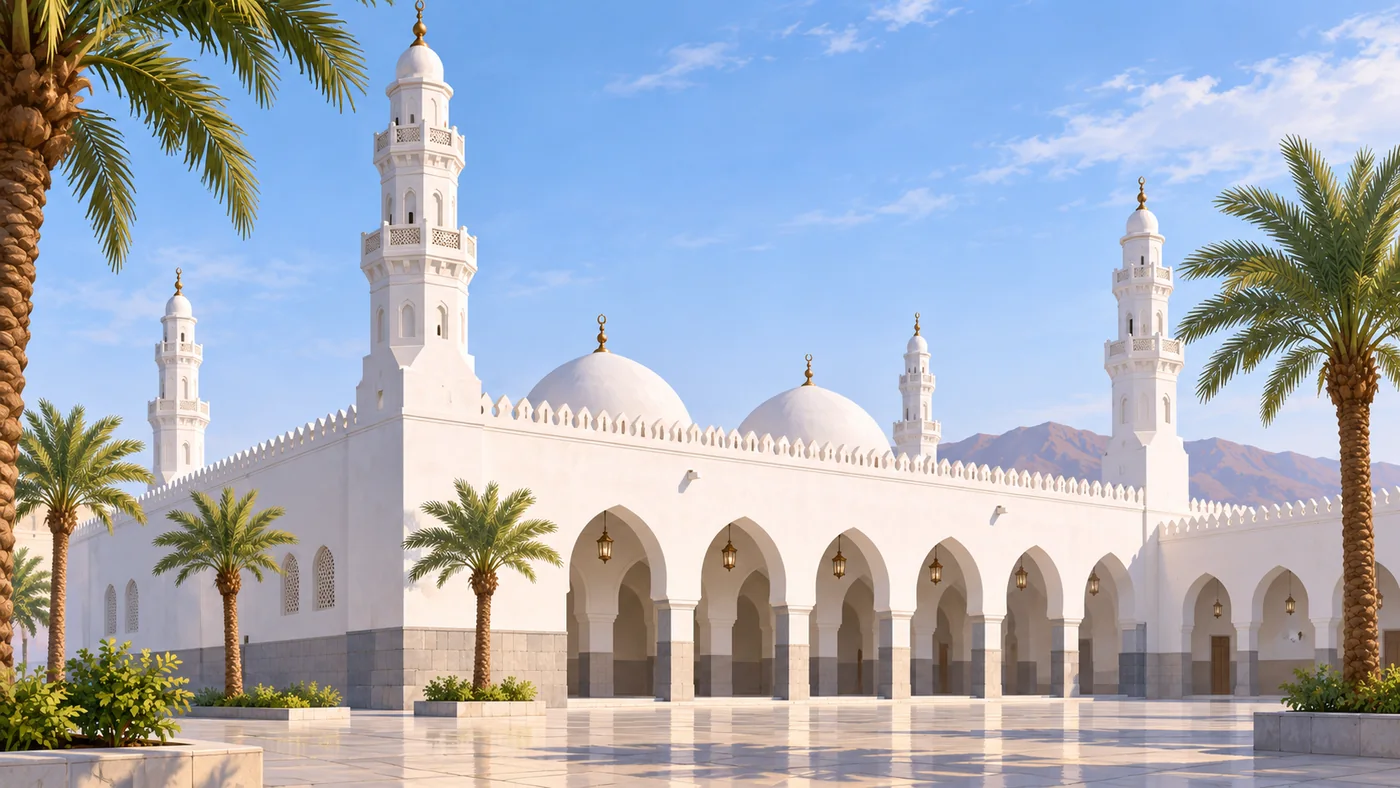
Masjid Quba
Quba is closely associated with the Prophet’s ﷺ arrival in Madinah during the Hijrah. A report in Sahih al-Bukhari describes the Prophet visiting Quba, walking or riding. The mosque is an active place of worship, so follow its current entry arrangements and give worshippers space. See our separate history and visit guide to Quba.
Mount Uhud
Uhud is associated with the Battle of Uhud, fought in the third year after the Hijrah. Qur’an 3:152 refers to the events of that day, while the mountain is mentioned in hadith. Visitors can learn about the history without treating a particular route or action as a required rite of Umrah.
Masjid al-Qiblatain
This mosque is connected with the change of qiblah recorded in Qur’an 2:144. It is a place of worship today; check local access, and avoid interrupting people who are praying.
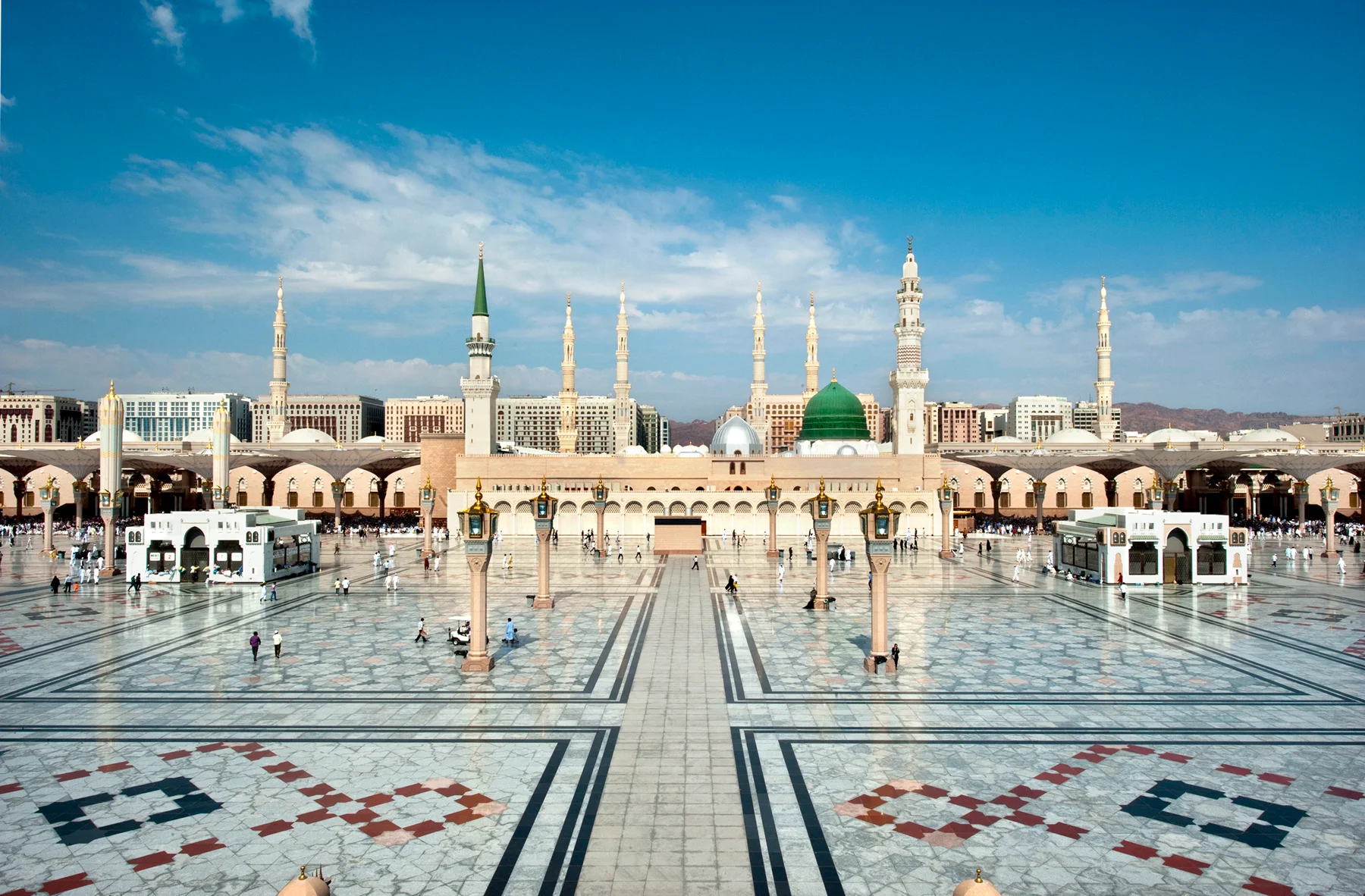
Masjid an-Nabawi and Rawdah arrangements
Visits to the Prophet’s Mosque have their own etiquette and current visitor instructions. If a timed access permit is required for a particular area or service, use the official Nusuk channel and check current requirements. Do not rely on old screenshots or resale offers.
Keep the visit respectful and grounded
- Keep the intention for worship or historical learning clear; do not attribute special reward to a site without reliable evidence.
- Follow mosque staff, security directions and posted visiting hours.
- Keep voices low and avoid photographing people without permission.
- Do not block entrances, walking routes or prayer areas for a group photo.
- Respect cemetery rules and follow cemetery rules, keep a respectful distance from graves and avoid touching monuments.
- Carry water, suitable footwear and only the essentials you can manage comfortably.
Separate historical sites from prescribed acts
Many visitors include historic sites because they want to learn about the city and remember the people connected with its history. That interest is different from claiming that every stop is a prescribed ritual or that a fixed loop is required. Reliable sources and scholars distinguish between established devotional practice and a local tour itinerary. Ask for evidence when a guide claims a particular act or special reward is required at a site.
Some groups combine a mosque visit, a viewpoint and a cemetery area in one outing. Access, traffic and local rules may affect the route on the day. Keep flexibility, and do not pressure elderly relatives to complete a full loop if they need rest.
Before accepting a tour that promises several visits in a short period, ask whether the guide will explain the history at each stop or whether the outing is mainly transport. That helps you choose between a focused visit and a faster sightseeing loop.
What each stop can teach
Quba recalls the Hijrah and the Prophet’s ﷺ visits to its mosque. Uhud brings visitors to the landscape of a difficult day in the early Muslim community and invites reflection on the Qur’anic account. Al-Qiblatain is associated with the change of qiblah described in Qur’an 2:144. The Seven Mosques area is connected in local visitor narratives with the Battle of the Trench; check historical claims against reliable sources because modern names and popular explanations can simplify the past.
These locations are spread across the city, and transport time varies. Pick the sites that interest your group, leave room for the Prophet’s Mosque and rest, and avoid turning the visit into a race to collect photographs.
Three ways to make the visit easier
Choose fewer stops. Select one or two places that matter to your group rather than trying to see every site in a short window. Use a clear meeting plan. Share the pickup point and return time with everyone, especially if mobile coverage is inconsistent. Protect prayer and rest time. Madinah is not only an excursion list; give yourself room to visit Masjid an-Nabawi and rest between outings.
What to confirm with a guide
Ask which places are currently accessible, whether entry requires a permit, how long the drive takes on your date and how much walking is involved. Ask what is included in the quoted tour price and whether it is private or shared. These are commercial details; confirm them directly and in writing.
Before setting off, be realistic about the heat and the amount of time outdoors. A short stop may involve parking, waiting and walking before you reach the place itself. Carry water where permitted, plan a shaded rest and let someone in the group know if you are stepping away. If your guide gives a historical date or special virtue, ask for the source so you can read it later.
Plan a route that fits your day
Ask your hotel or trusted transport provider for a current route plan, realistic driving order, vehicle size and expected time at each stop. Travel time depends on traffic, prayer times, crowd levels and access arrangements. If your group includes older travellers, children or someone with reduced mobility, ask about walking surfaces, drop-off points and whether the visit is suitable for them.
Keep the Prophet’s Mosque at the centre of your Madinah time rather than trying to visit every point on a hurried loop. A thoughtful visit can be shorter and more useful than a crowded itinerary.
For further reading, explore our Quba guide, Uhud history guide and Madinah hotel comparison checklist.

ABOUT THE AUTHOR
Miss Ayesha · Marketing Manager, Al Marifah Travels
Marketing Manager at Al Marifah Travels.
Sources and further reading
- Saudi Ministry of Hajj and Umrah — Umrah and Visit Guide
- Sahih al-Bukhari — visiting Quba
- The Holy Qur’an, Al-Baqarah 2:144
- The Holy Qur’an, Aal Imran 3:152
This article is general travel-planning information, not a visa decision, religious ruling or booking confirmation. Verify current requirements for your own circumstances.
Planning a journey? Share your departure city, dates and travel preferences to start an enquiry.
Plan your Umrah