IN THIS ARTICLE
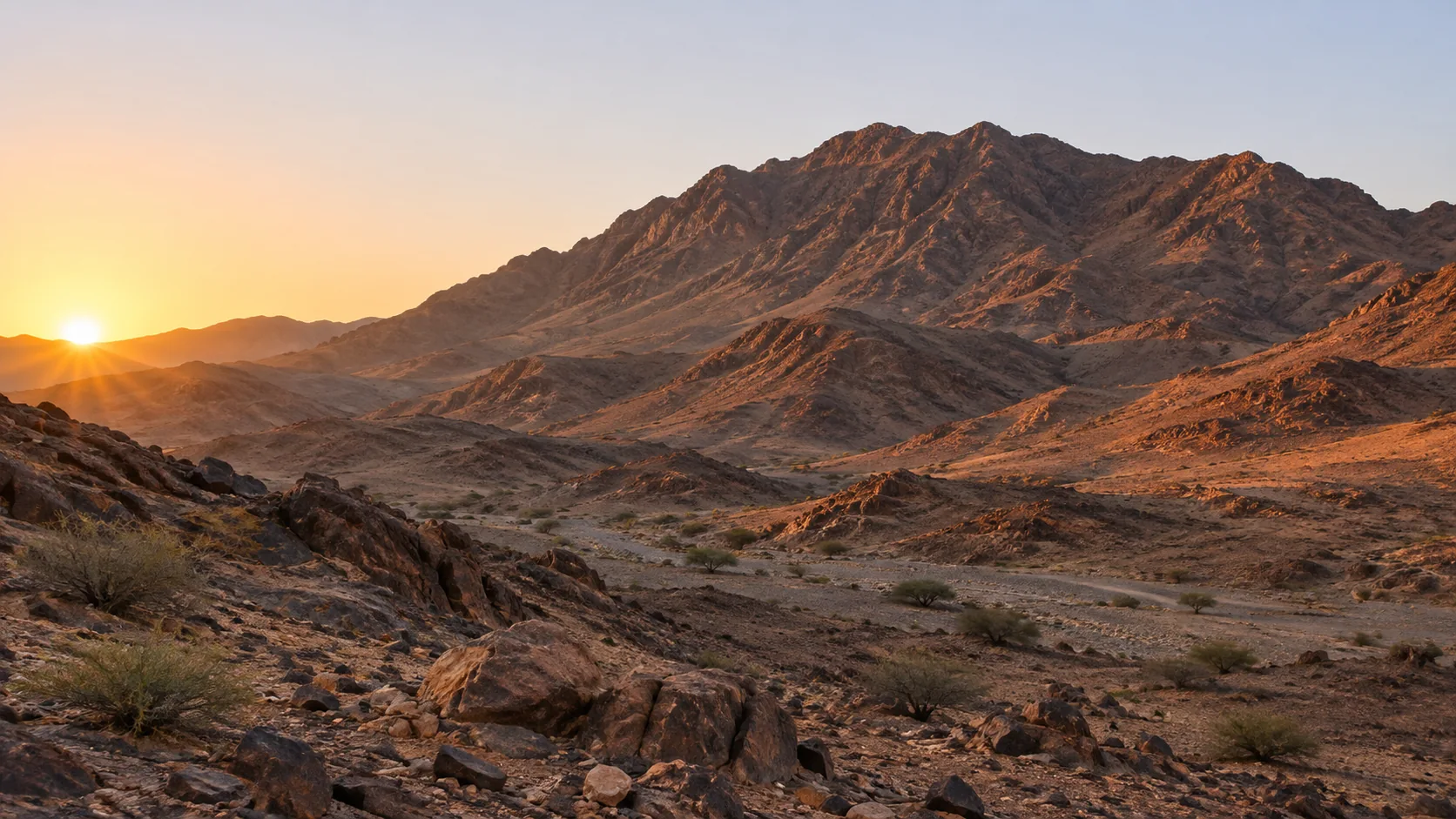
The road north of Madinah opens toward a rugged mountain landscape. Uhud is not just a backdrop: it is tied to one of the formative events in the early Muslim community. A visitor can approach the place with both historical curiosity and care for the people who worship and live nearby.
The Battle of Uhud took place near Madinah in 3 AH. The Qur’an refers to the day and its lessons in Aal Imran, especially 3:121–152. These verses frame the event as a test of faith, discipline and patience. They do not turn a modern visit to the mountain into an additional rite of pilgrimage.
The historical setting
After the Battle of Badr, Quraysh returned to confront the Muslim community. The Prophet Muhammad ﷺ and his companions went out toward Uhud. A group of archers were instructed to hold their position; when the course of the fighting changed, some left their post. The situation shifted, the Muslim ranks faced severe losses and the Prophet ﷺ was injured. Historical accounts differ in how they narrate some details, so readers should consult reliable Seerah works rather than simplified social-media retellings.
The Qur’anic passage invites reflection on obedience, resolve and the human cost of conflict. It should be read in context, not reduced to a slogan or used to blame individuals without careful scholarship.
Uhud in hadith and memory
Hadith literature includes the Prophet’s ﷺ words describing Uhud as a mountain that loves the believers and is loved by them. The narration gives the place a special emotional resonance for Muslims. If you quote it in a lesson or article, use the full source and context rather than paraphrasing it as a command to visit.
Visiting the area today
Mount Uhud and the area associated with the battle are part of Madinah’s wider historical landscape. Visitor access, road arrangements and facilities can change. Ask your local guide or transport provider for current instructions. Some tours include a stop near the mountain or cemetery area; make sure you understand where the vehicle will stop and how much walking is involved.
- Follow local signs and staff instructions.
- Stay within public visitor areas and do not climb restricted terrain.
- Keep respectful distance from graves and do not touch or seek help from them.
- Protect yourself from heat with water, suitable footwear and a realistic pace.
- Do not block roads, worship areas or other visitors for photos.
Read the Qur’anic passage in context
Qur’an 3:121–152 refers to events around Uhud and includes reflection on steadfastness, obedience and the consequences of a difficult turning point. Reading the full passage gives more context than a short quote on a poster. The verses are guidance for believers; they are not a substitute for a careful historical account of every movement on the battlefield.
Hadith also preserves the Prophet’s ﷺ description of Uhud as a mountain that loves the believers and is loved by them. This is a statement of affection in the narration; it should not be inflated into a claim that visitors must climb the mountain or that the visit is part of Umrah.
From the Hijrah to the present mosque
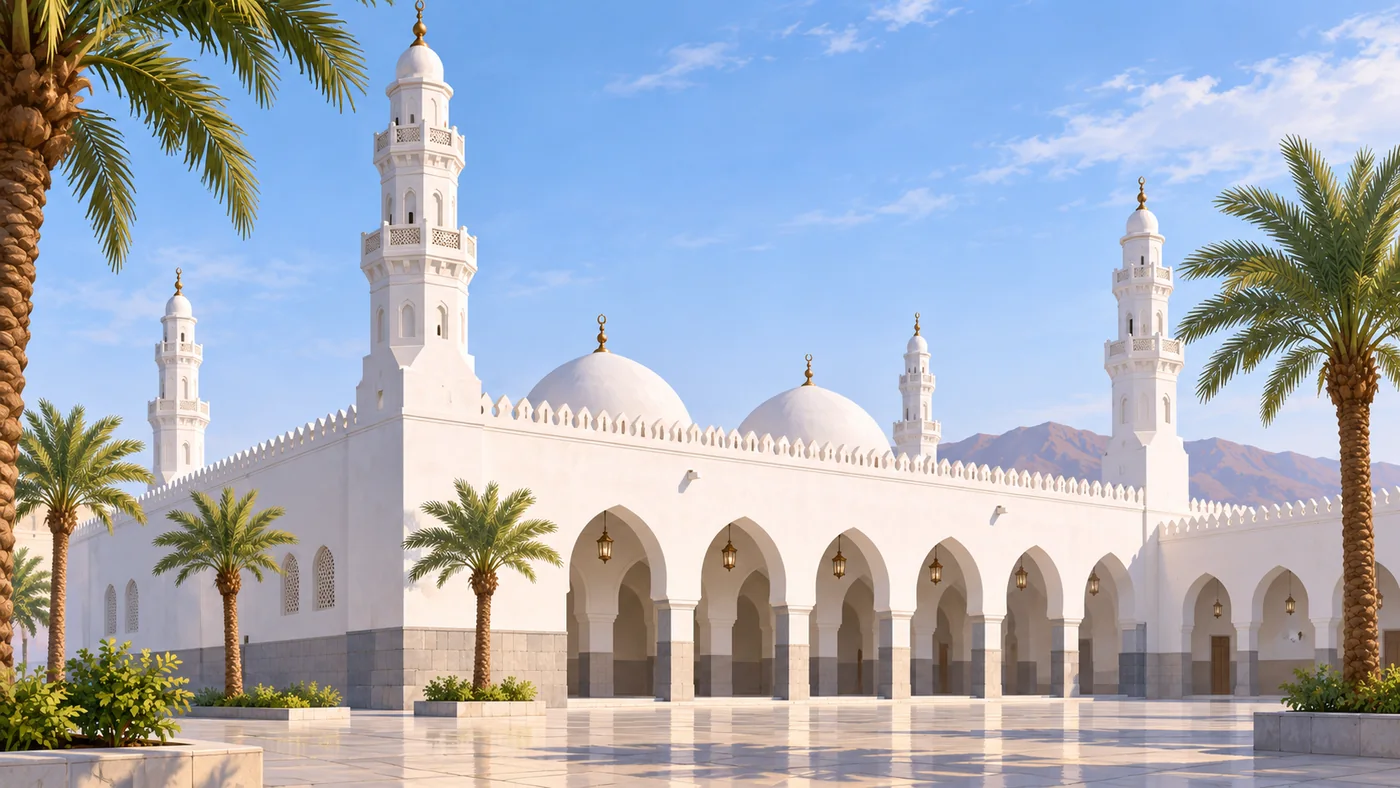
In the accounts of the Hijrah, the Prophet ﷺ and the early Muslims left Makkah and travelled toward Yathrib, later known as Madinah. Quba was the place where the Prophet stayed before entering the city. The first mosque connected to this arrival became an enduring centre of worship. Sahih al-Bukhari’s report about his repeated visits shows that Quba remained part of the Prophet’s life in Madinah, not merely a point on the migration route.
Over centuries, the mosque was repaired and expanded as the city grew. The present structure is designed for a large number of worshippers and visitors. Saudipedia provides a modern overview of its location and architectural history; it should be read alongside the early religious sources, which answer different questions.
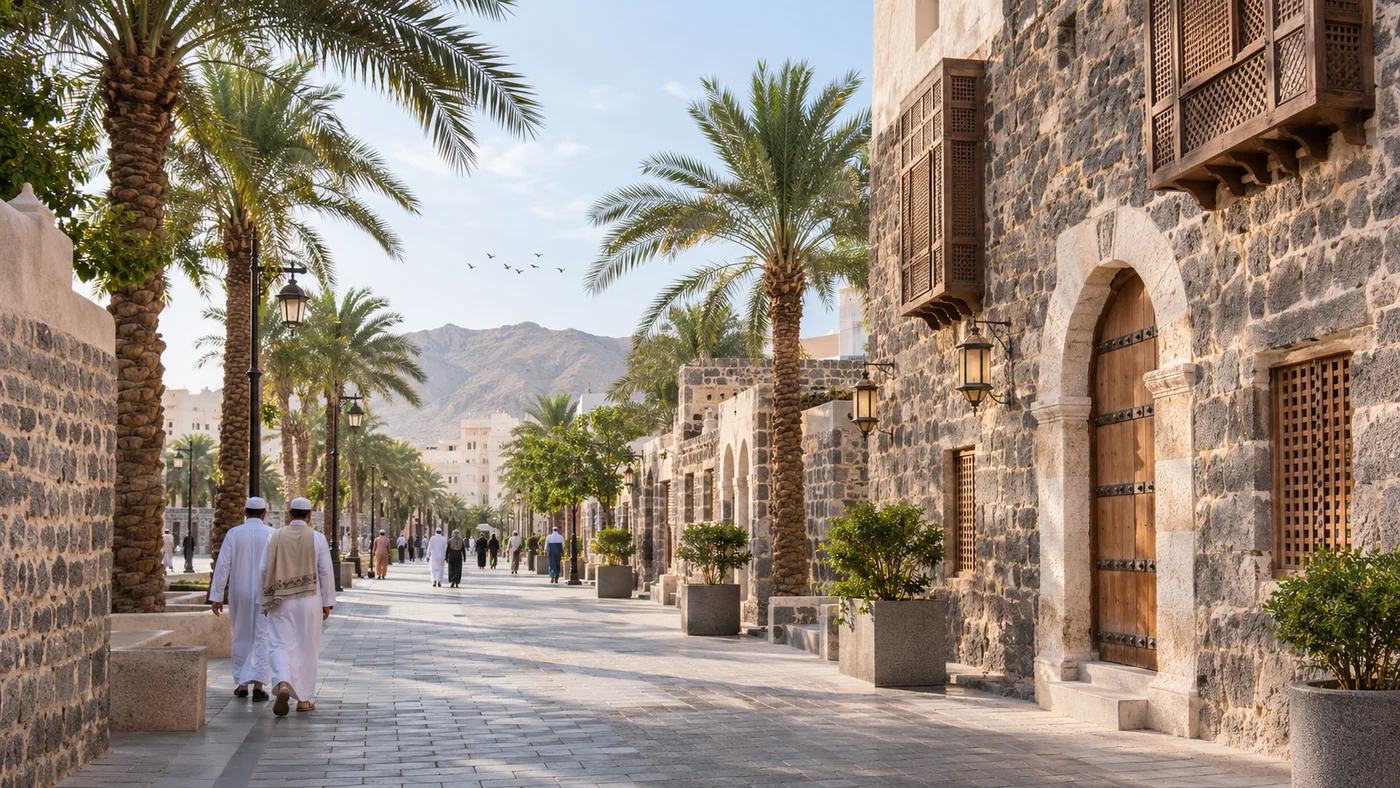
A thoughtful visitor can hold these two layers together: the mosque’s meaning in the Hijrah story and the reality of a contemporary place used for daily prayer. Neither requires embellishing its history with unverified stories. Another useful distinction is between the mosque’s religious significance and the practical question of how a visitor reaches it. The first is learned from Qur’an, hadith and scholarship; the second comes from current transport, access and visitor information. Keep those sources separate when planning and when sharing advice with family.
Uhud through the sequence of the Qur’anic passage
Qur’an 3:121 opens with the Prophet ﷺ going out from his household to position the believers. The surrounding verses refer to the events of the battle, the community’s distress and the call to remain steadfast. Verse 3:152 discusses the point at which some lost resolve, disputed and disobeyed after being shown what they wanted, before Allah tested them. Reading the passage in full helps prevent a narrow retelling that focuses on one moment and ignores its spiritual and communal context.
Later verses address grief, fear, the Prophet’s conduct and the believers’ response. The text does not present history as a simple story of victory or defeat; it speaks to accountability, mercy, reliance upon Allah and resilience. A visitor may reflect on those themes without assuming that the modern landscape recreates every location exactly.
The hadith about Uhud loving the believers adds another layer of affection to the site’s memory. Together, Qur’an and hadith provide a stronger basis for reflection than viral claims or an unsourced tour script.
What to ask before joining a tour
- Where will the vehicle stop, and how much walking is involved?
- Will the guide explain the source for historical details?
- Are visitor areas open at the planned time?
- Can the group change the route if someone needs a rest?
A careful way to remember the event
Read the account in Qur’an 3:121–152, then compare it with a reliable Seerah source that cites its narrations. The chapter gives the reader a frame for the events, but it is not a modern travel itinerary. The archers’ post and the change in the course of battle appear in the Qur’anic discussion; avoid adding dramatic details that are not sourced or treating the episode as a simplistic lesson about one individual.
The mountain’s physical landscape helps orient a visitor, while the written sources carry the history. If a guide attributes an exact place, grave or object to a particular companion, ask what source supports the identification. Some details in popular tour narration may be based on local tradition rather than firmly established reports.
Remember that this is a living city. Visitors share roads, prayer spaces and public areas with residents. A respectful stop, a sourced explanation and time for reflection are more valuable than climbing or entering an area that is restricted.
Make the history part of a thoughtful Madinah visit
Read Qur’an 3:121–152 before your trip and consider a reliable Seerah account. Allow time to visit Masjid an-Nabawi and rest rather than filling every hour with stops. Ziyarat is for reflection and learning; it is not among the essential Umrah rites.
Continue with our Madinah ziyarat guide, Masjid Quba history and regional Umrah planning pages.

ABOUT THE AUTHOR
Miss Ayesha · Marketing Manager, Al Marifah Travels
Marketing Manager at Al Marifah Travels.
Sources and further reading
- The Holy Qur’an, Aal Imran 3:121–152
- Sahih al-Bukhari — Uhud is a mountain that loves us
- Saudi Ministry of Hajj and Umrah — Umrah and Visit Guide
This article is general travel-planning information, not a visa decision, religious ruling or booking confirmation. Verify current requirements for your own circumstances.
Planning a journey? Share your departure city, dates and travel preferences to start an enquiry.
Plan your Umrah